


CPO, eMSP, EVCI: the world of electric vehicle charging is full of acronyms that can quickly confuse an inexperienced fleet manager.
However, understanding who does what in this ecosystem is far from a purely theoretical exercise: it is an essential step before choosing the right charging solution for your company, negotiating the right contracts, and avoiding gray areas in the event of a breakdown or billing dispute.
This article details the roles of the CPO and eMSP, already introduced in our article detailing what an EVCI eMSP is, and explains how this distinction has a very concrete impact on your charging strategy.
The Electric Vehicle Charging Infrastructure (EVCI) ecosystem relies on several complementary roles that operate at different stages of the value chain.
Upstream, there are the charging station manufacturers, who design and produce the physical hardware, followed by the installers, who are responsible for on-site setup and electrical connection.
Downstream, two players structure the daily charging experience: the CPO, which operates the stations once installed, and the eMSP, which provides drivers with access to those stations.
It is this latter pair of players that most often raises questions for companies when choosing a charging solution for their fleet.
A CPO, or Charge Point Operator, is the entity that physically installs, operates, and maintains charging stations. They are responsible for the technical availability of the network: they oversee the proper functioning of the stations, schedule preventive and corrective maintenance, and update embedded software to ensure compatibility with various vehicle models.
In short, the CPO is the one who ensures that when a driver plugs in their cable, the charging station actually works.
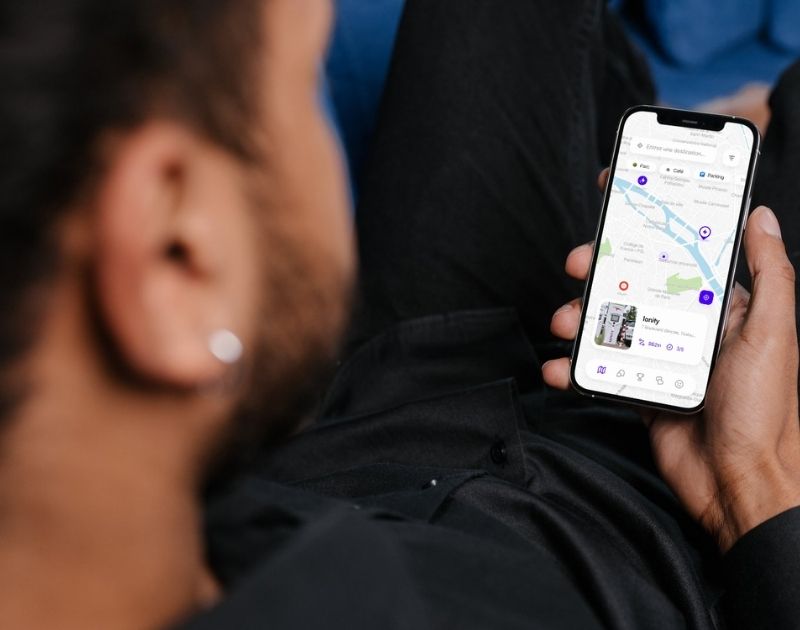
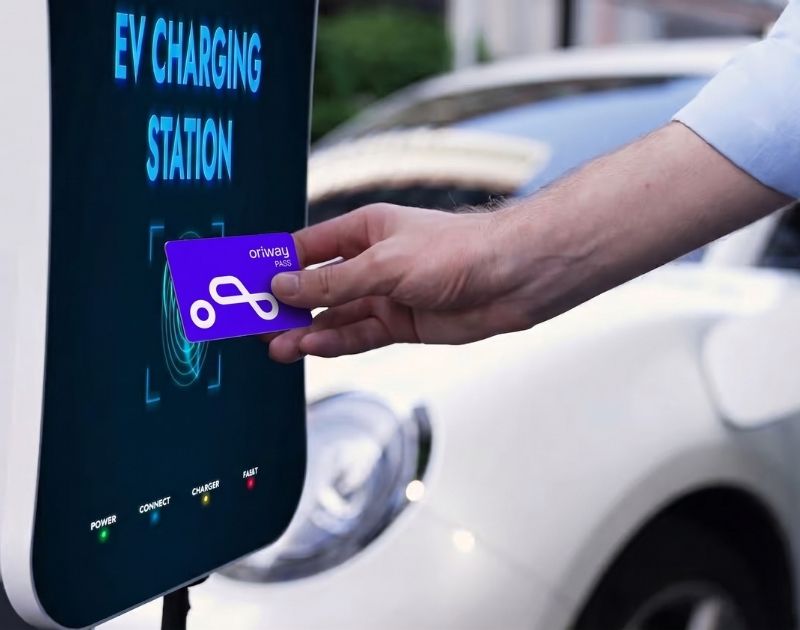
An eMSP, or Electro-Mobility Service Provider, provides drivers with access to these charging stations via a subscription, a physical card, or a mobile app, without necessarily owning the infrastructure itself. They act as a trusted intermediary between the driver and the CPO(s) operating the stations. We have dedicated a full article to this role: What is an EV charging eMSP and what is its role.
CPO = operates the physical infrastructure
eMSP = provides access and bills for the service
The CPO owns or directly operates the charging station, along with all the technical and regulatory responsibilities that entails, particularly regarding electrical safety and compliance with current standards. The eMSP, on the other hand, generally does not own any physical infrastructure: they negotiate interoperability agreements with one or more CPOs to allow their subscribers to charge on their networks.
The eMSP is the primary point of contact for the driver and the corporate client: they issue the invoice, provide the charging app or card, and handle support for any questions or issues. The CPO, meanwhile, remains largely invisible to the end user, as their role is limited to the technical operation of the infrastructure in the background.
The eMSP also aggregates several different CPO networks to provide its subscribers with unified access, so they don't have to juggle multiple badges or apps depending on the region they are in. This aggregation capability is a major issue for any corporate fleet that needs to travel across the country or even further afield.
Understanding this division of roles helps avoid two common problems.
The first is signing separate contracts with every local CPO in the areas where the fleet operates, which multiplies administrative tasks, payment methods, and points of contact in the event of an issue.
The second problem, conversely, is choosing an eMSP with a partner CPO network that is too limited, which leaves drivers exposed to dead zones where they simply cannot charge using their usual subscription.
For a corporate fleet, the easiest solution to manage on a daily basis is therefore to choose an eMSP with a wide network of partner charging stations, paired with a corporate charging card and a single app to locate available stations and track consumption in real time.
In practical terms, the French CPO ecosystem relies on a limited number of players that operate the vast majority of charging stations in the country. Among the most prominent are TotalEnergies and Shell, which historically come from the energy sector and are now very active at service stations and along major highways, Leclerc, which is rolling out its own charging stations in its hypermarket parking lots, as well asIndigo, a leading operator for urban parking.
Alongside them, specialists in fast and ultra-fast charging such as Ionity, Electra, Allego or Powerdothave expanded across highway service areas and commercial zones, while ChargePoint, Freshmile and Izivia round out the national coverage with mixed networks that include both public streets and corporate parking lots. With Oriway, you can access all of these networks through a single app, without needing to open a separate account for each one.
In the eMSP segment, several players have also established themselves, starting with Chargemap, Electroverse or Fulli, which are primarily geared toward consumer use.
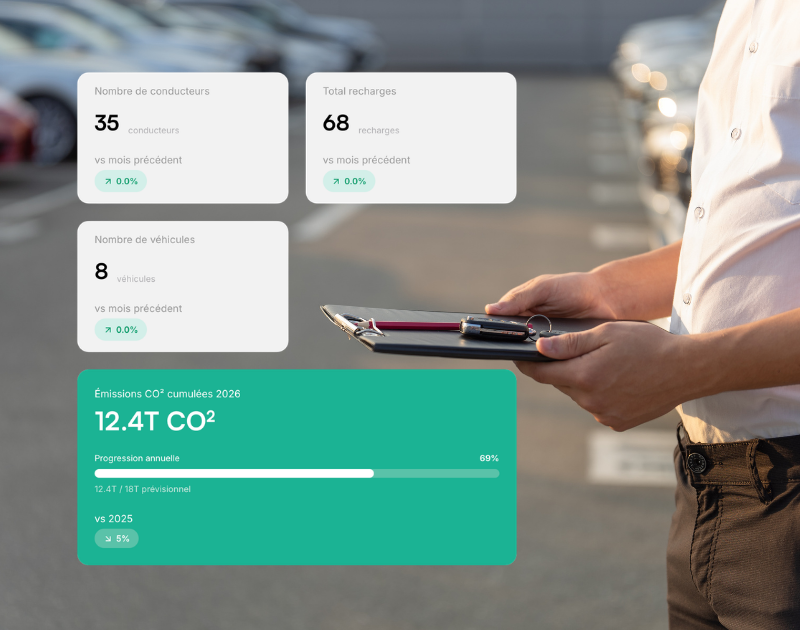
Oriway distinguishes itself from these solutions with an approach designed from the ground up for the specific needs of a corporate fleet: centralized billing by vehicle and employee, automated reimbursement for home charging based on actual consumption, and comprehensive management via a corporate dashboard rather than just a personal app.
No. The CPO physically operates the charging stations; this includes operators like TotalEnergies, Powerdot, Allego, Electra, Ionity, ChargePoint, Freshmile, Indigo, Izivia, Shell, or Leclerc. The eMSP, on the other hand, provides users with access to these stations via a unified service (card, app, subscription) and centralizes billing, similar to players like Chargemap, Electroverse, or Fulli.
For fleet charging, it is generally in a company's best interest to go through an eMSP, which aggregates access to multiple CPOs under a single contract, a single invoice, and a single tracking tool, rather than managing multiple individual contracts with every charging station operator.
It is the ability for a driver to charge their vehicle at stations operated by different CPOs (TotalEnergies, Ionity, Electra, etc.) using a single badge or app provided by their eMSP, without needing multiple subscriptions.
The eMSP generally centralizes user support in the event of an incident, even though the technical resolution of the issue ultimately lies with the CPO operating the station in question.
One contract, a vast network of charging stations: discover Oriway's eMSP approach for your fleet. Book an appointment with an Oriway advisor →