

September traditionally marks a surge in orders and deliveries for corporate fleets. This fall 2026 season is no exception, with several new electric models arriving just as many fleet managers are revising their car policies for the coming year.
The ranking compiled by Arval for the first quarter of 2026 marks a clear turning point: three all-electric models now appear in the top 10 passenger vehicles registered by French companies.
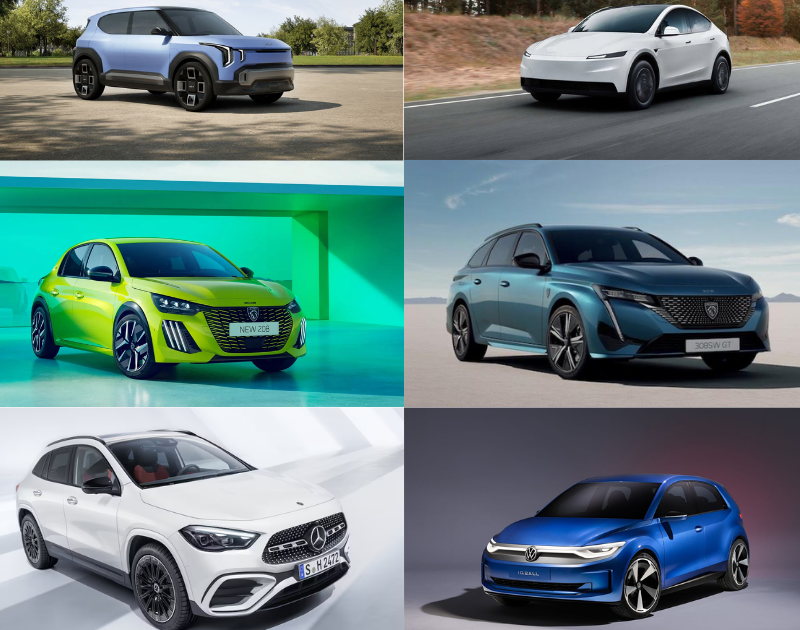
Historically essential models like the Peugeot 208 and 308 have dropped out of the list. This is no longer a niche trend driven by a few early adopters; it is a structural shift in fleet manager preferences.
The electric Mercedes GLA is expected in September 2026, starting at 49,000 euros. It uses the same 800-volt platform as the recent CLA models, with DC charging power of up to 320 kW, which significantly reduces downtime on long trips. Two versions have been announced: one with a 58 kWh battery for approximately 500 km of range, and another with 85 kWh for nearly 700 km.
As for Volkswagen, the ID.Polo, a new electric model in the city car segment, will open for orders this spring with deliveries starting in September. It is a format designed for service fleets and traveling sales staff, as well as for small businesses looking for their first electric vehicle without having to switch to an SUV.
The more diverse the options, the easier it becomes to tailor vehicle choices to the specific profile of each role, rather than relying on a one-size-fits-all solution for the entire fleet.
This usage-based segmentation aligns directly with the logic we detail in our article on fleet greening: not all vehicles in a fleet have the same electrification profile, and the growing number of available models makes this differentiated approach easier to implement.
A model that is attractive to purchase does not guarantee real profitability once integrated into the fleet. Calculating the total cost of ownership, as detailed in our article on how to optimize the TCO of your electric vehicle fleet, remains the standard for making decisions between candidate models.
Battery longevity (a topic we explored in depth in our article Looking ahead to 2027: why battery longevity is the cornerstone of your fleet strategy), deserves special attention before signing a multi-year fleet contract.
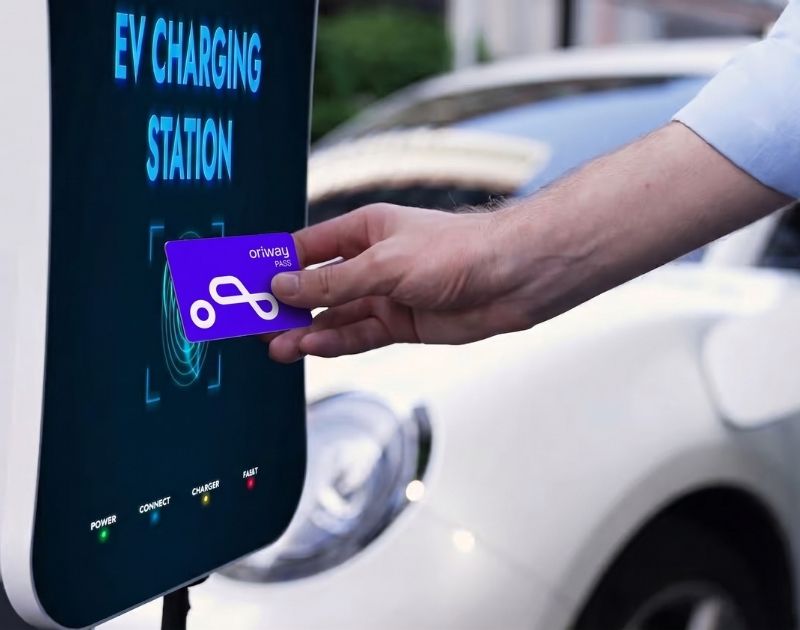
Receiving new electric vehicles without first verifying on-site charging capacity is a recipe for bottlenecks within the first few weeks of operation.
Before placing any bulk orders for the new season, reviewing your current infrastructure—as detailed in our complete guide to workplace charging—will help you avoid these kinds of unpleasant surprises.
Manufacturers' launch schedules often align with corporate fleet cycles, which concentrate a significant portion of their orders at the start of the new season, following the summer break for procurement departments.
Not necessarily. Your choice should be guided by the actual usage profile of each role and the TCO calculation, rather than just the novelty of the model or its advertised charging power.
It adds some complexity, but more importantly, it allows for a more precise segmentation of the fleet based on the actual needs of each employee, rather than a one-size-fits-all approach for the entire fleet.