


The start of the school year brings a flurry of short, repetitive trips to many parents' schedules. For an electric car, this type of usage has its own unique characteristics—different from long-distance driving—that are worth knowing before the first busy mornings of September.
The school run rarely exceeds a few kilometers, but it repeats morning and evening, and sometimes several times a day with extracurricular activities. This accumulation of short trips consumes proportionally more energy than a long drive at a steady speed, as each start puts more demand on the motor, and the battery doesn't always have time to reach its optimal operating temperature.
During the first few kilometers on a chilly morning, your energy consumption may appear higher than usual.
This is a well-known phenomenon: the battery takes a little time to warm up, and cabin heating draws on available energy from the very first minutes. There is no cause for concern on a short trip, but it is a useful point to keep in mind so you don't misjudge the vehicle's actual range on an autumn morning.
Many recent electric vehicles allow you to schedule cabin and battery preconditioning while the car is still plugged in, before you even start your trip. While many drivers think this is only for long journeys, it is just as useful for the morning school run: the cabin is already at the right temperature when you leave, and the battery doesn't have to use its driving energy to warm up.
With such short trips, the question is rarely whether you have enough range, but rather how to maintain a simple charging routine at home, in the evening or overnight. We detail the best practices for building this daily routine in our article on getting back into good charging habits for the new school year.
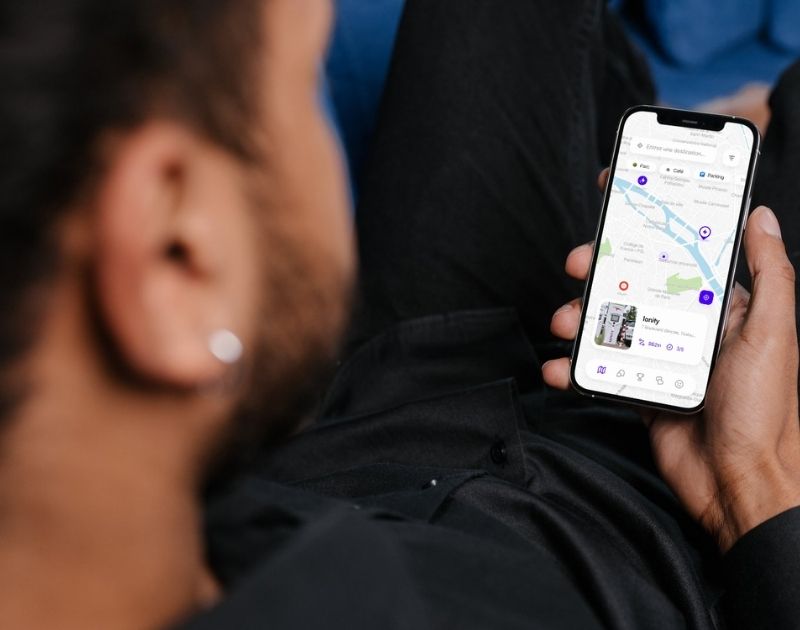
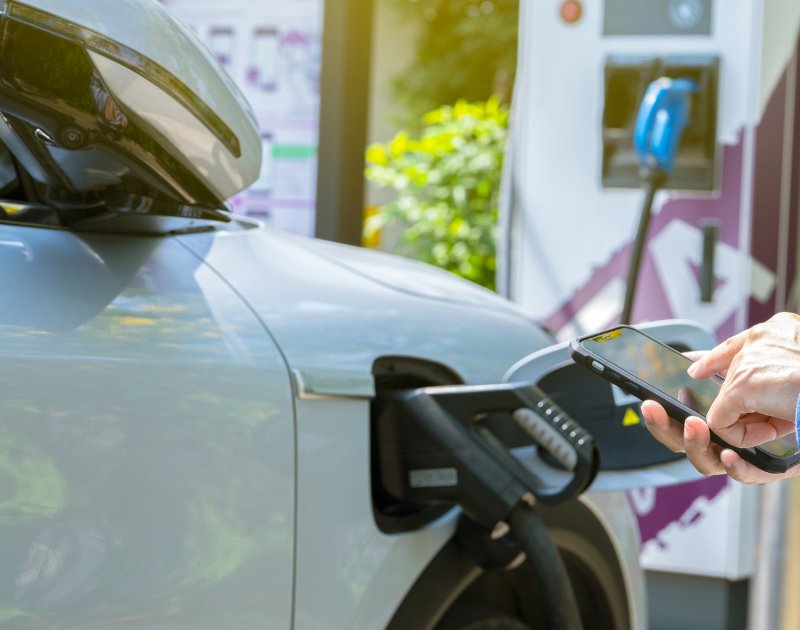
Between school, Wednesday sports, and weekend activities, some trips fall outside your strictly daily routine. For these slightly longer journeys, a reliable charging app remains useful, just like for a vacation trip, but on a smaller scale.
Yes, proportionally. A short trip involves more start-up phases and leaves little time for the battery to reach its optimal temperature, which increases consumption per kilometer.
Yes, and that is precisely when it is most useful, as it avoids drawing on your driving range to heat the cabin right from the start.
Not necessarily. The frequency depends on your total weekly mileage, but regular, moderate charging is still preferable to infrequent, full-charge sessions.