

In the ecosystem of electric vehicle charging infrastructure, often referred to by the acronym EVSE, another acronym frequently comes up in conversations between fleet managers and charging solution providers: eMSP.
Though often used without a clear explanation, this term refers to an essential link in the charging chain—the one that directly shapes the daily experience of electric vehicle drivers.
Understanding what an eMSP is, what it does, and how it differs from another key player, the CPO, helps any company choose the right charging solution and avoid unpleasant contractual surprises.
That is the focus of this article, which is complemented by our detailed CPO vs. eMSP comparison.
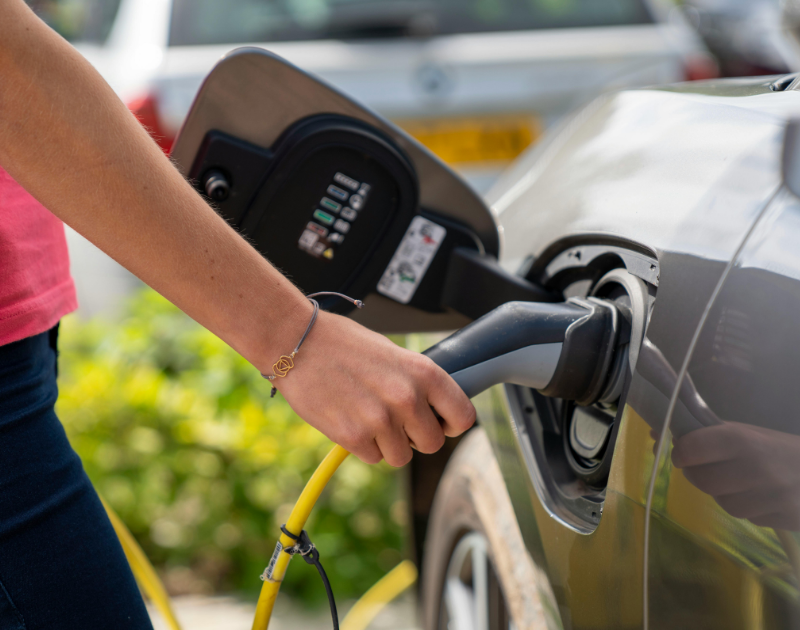
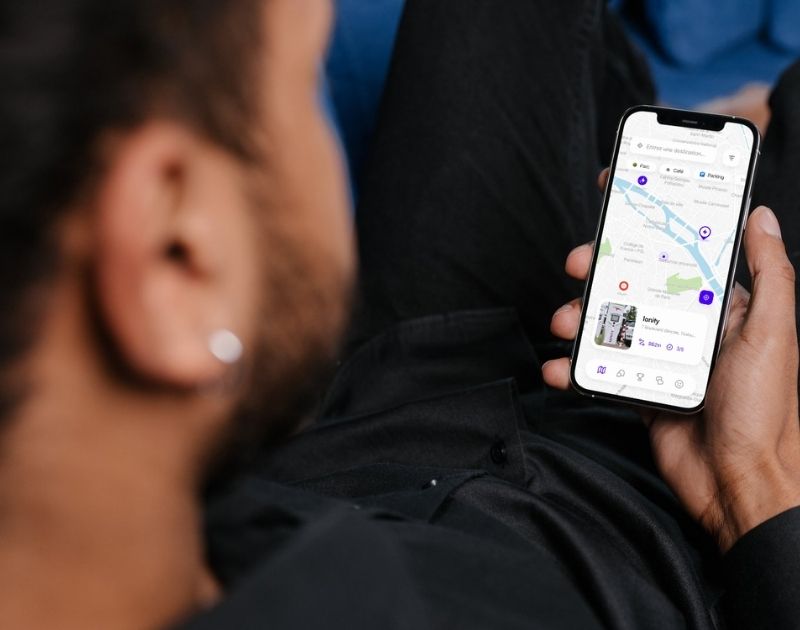
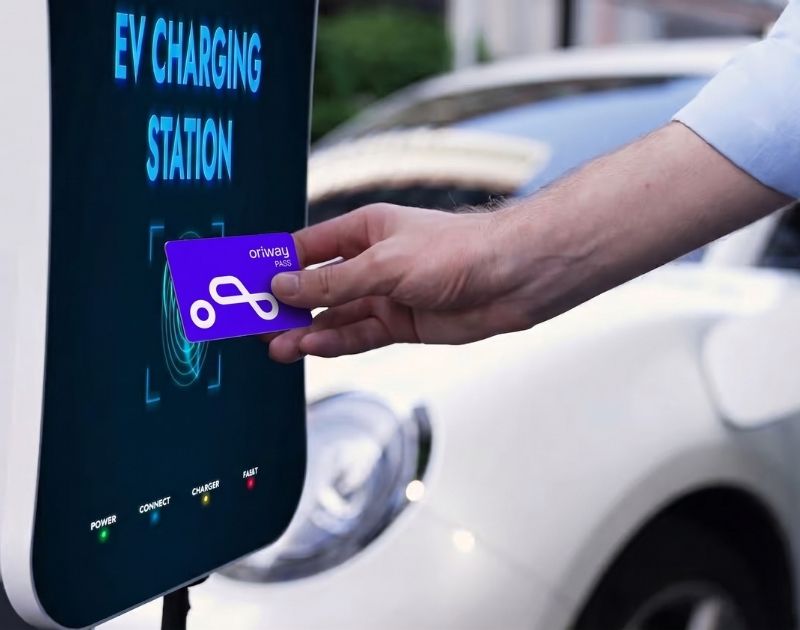
The acronym eMSP stands for Electro-Mobility Service Provider, which can be translated as " electric mobility service provider ". In practical terms, an eMSP is the entity that provides drivers with access to a network of charging stations, via a subscription, a physical card, or a mobile app, without necessarily owning or operating those stations themselves.
It acts as an intermediary between the driver, who wants to charge easily wherever they are, and the many charging station operators scattered across the country, each with their own pricing and payment systems.
The role of the eMSP goes beyond simply providing an access card.
First, it aggregates multiple charging networks, allowing a driver to charge in a large city or at a highway rest stop using a single access method, rather than having to sign up for a different subscription with every local operator.
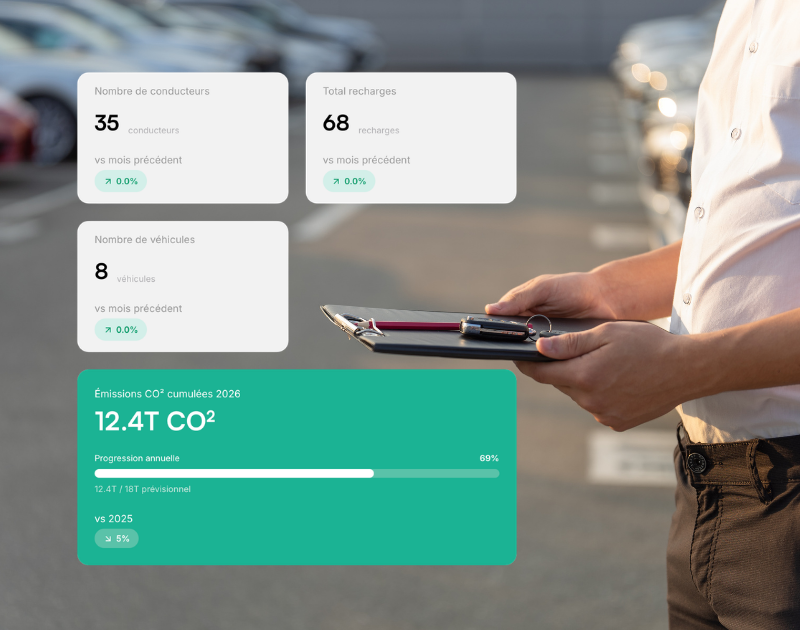
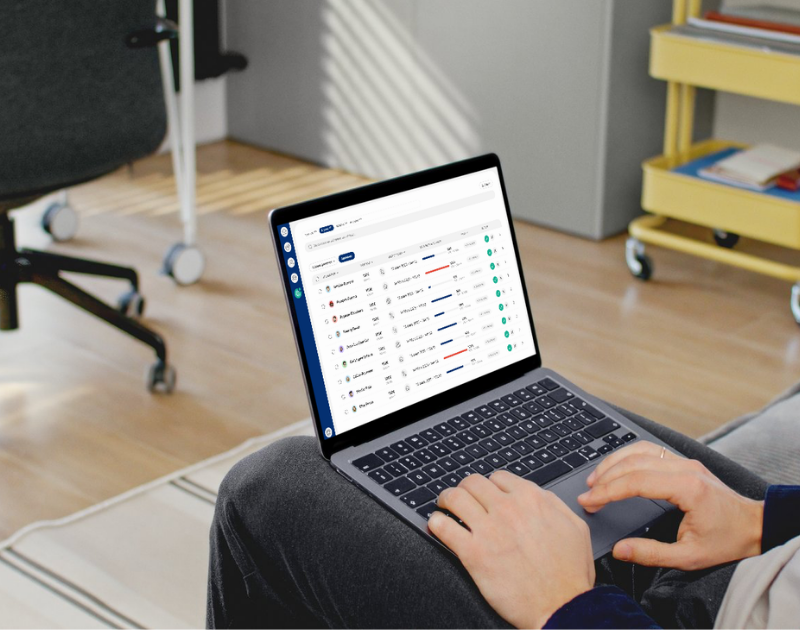
It then centralizes billing for all these charging sessions into a single interface, which significantly simplifies accounting, especially for corporate fleets that need to produce precise reports on expenses by vehicle and by employee. It also provides detailed consumption tracking, often accessible in real time, allowing fleet managers to identify charging habits, costs per trip, and any potential anomalies.
Finally, the eMSP provides user support in the event of a station incident—a valuable service for a driver stranded far from their company, who then only has one point of contact to reach out to rather than having to identify the operator of the faulty station themselves.
It is common to confuse the eMSP with the CPO, or Charge Point Operator, which is the entity responsible for physically installing and operating the charging stations. While the eMSP is the driver's visible point of contact, the CPO works behind the scenes, responsible for technical maintenance and the actual availability of the charging points. This distinction, which may seem theoretical at first, has very concrete consequences for choosing a corporate charging solution, which we detail in our article CPO vs eMSP: understanding the charging station ecosystem.
For a company with a fleet of electric vehicles, using an eMSP offers clear advantages:
Without this intermediary, a company would have to manage as many contracts as there are charging networks used by its vehicles—an administrative burden that becomes unsustainable as soon as the fleet grows beyond a few vehicles or covers a wide area. The eMSP also provides the single tracking app that drivers use daily to locate available charging stations, start a charging session, and monitor their energy consumption.
Oriway acts specifically as an eMSP dedicated to the needs of companies and their fleets. In practical terms, this means your employees gain access to a vast network of charging stations via a single application, while fleet management teams benefit from centralized control on the company side: consolidated billing, real-time consumption tracking, and simplified reporting, all without having to manage a multitude of separate contracts with each charging station operator.
eMSP stands for Electro-Mobility Service Provider, a company that provides access to a network of charging stations via a subscription, card, or mobile app.
The CPO physically installs and operates the charging stations, while the eMSP provides drivers with access to these stations and centralizes billing and charging session tracking. Find all the details in our dedicated article.
No, generally the eMSP does not own the stations: it negotiates access to networks operated by one or more CPOs and offers end users a unified interface for payment and tracking.
To simplify fleet access to multiple charging networks through a single tool, a single consolidated invoice, and centralized consumption tracking, rather than managing multiple individual contracts.
Some operators do indeed offer both services. However, a CPO that has added an eMSP component to its offering remains primarily specialized in the physical operation of stations, not in the charging user experience. For an installer supporting a corporate fleet, pairing a CPO dedicated to installation with an eMSP whose core business is user experience generally provides a more polished charging experience (app, support, billing) than entrusting both roles to the same provider.
Give your drivers access to a vast network of charging stations through a single app. Discover the Oriway app →