
Why is TCO dead? Long live TCM!

7 min
Level
03 April 2026
Table of contents
This is some text inside of a div block.

Key takeaways from this article

  • TCO is no longer enough : it only analyzes the cost of a vehicle, without incorporating overall mobility or the new habits associated with electric cars and remote work.
  • TCM broadens the strategic vision : it takes into account all mobility costs (energy, home charging, digital tools, alternative mobility, administrative management).
  • For an electric vehicle fleet, TCM is essential : it allows for the precise measurement of energy costs, usage patterns, and the optimization of charging infrastructure.
  • TCM drives real cost reduction : through better resource allocation, analysis of actual usage, and more precise adjustments to car policy.
  • The fleet manager becomes a global mobility lead : with TCM, they no longer just manage vehicles, but a comprehensive strategy for sustainable and high-performance mobility.

From TCO to TCM: an inevitable transition

For years, TCO (Total Cost of Ownership) was the fleet manager's mantra. It provided a precise way to evaluate the total cost of a vehicle over its entire holding period.

But the landscape has changed radically. Between the rise of the electric car, new ESG requirements, and the pressure for cost reduction and changing employee habits: managing a corporate vehicle fleet is no longer just about the cost of a vehicle.

Today, companies are no longer just managing cars. They are managing comprehensive mobility.

This is where TCM (Total Cost of Mobility) comes in: a more strategic, cross-functional approach that is better suited to the reality of modern fleets.

What is TCO (Total Cost of Ownership)?

Simple definition

TCO represents the total cost of owning a vehicle over its period of use.

According to the Renault blog, TCO includes all expenses related to the purchase, use, and resale of a vehicle (source: blog.renault.re/tco-automobile).

For a long time, it was the primary tool for the fleet manager to compare internal combustion models and optimize budgets.

Classic TCO components

A TCO generally includes:

  • Purchase price or lease payments
  • Fuel
  • Maintenance and repairs
  • Insurance
  • Tires
  • Taxes
  • Depreciation

In a world of 100% internal combustion engines, this model worked very well. But with the electrification of fleets and changing usage patterns, its limitations are becoming clear.

The limitations of TCO in a world of sustainable mobility

TCO does not capture the reality of usage

TCO analyzes an isolated vehicle. However, modern mobility has become hybrid:

  • Remote work
  • Shared vehicles
  • Multimodal mobility
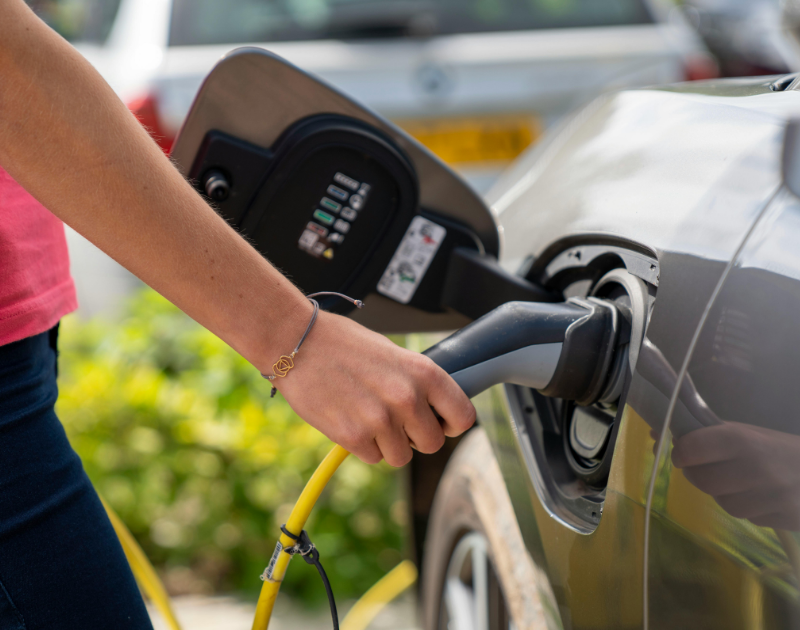
  • Home charging
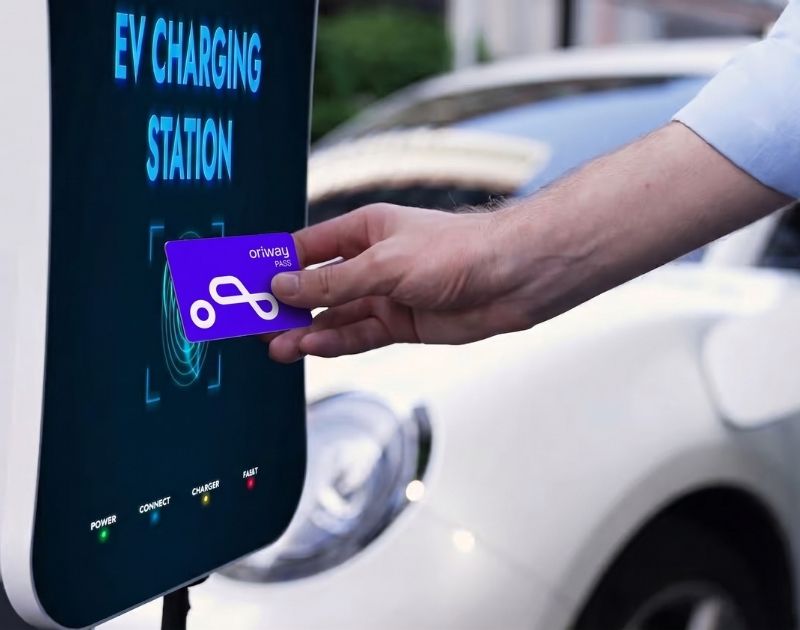
  • Public charging stations

TCO does not measure actual usage or employee behavior. For an electric vehicle fleet, ignoring charging costs outside the depot or at home completely skews the analysis.

TCO underestimates externalities

Another blind spot: environmental and strategic impact. According to the International Energy Agency (IEA), global electric car sales exceeded 14 million in 2023, accounting for approximately 18% of total sales (source: Global EV Outlook 2024, IEA).

This means the transition is massive. Yet, TCO:

  • Does not value the reduction in CO₂ emissions
  • Does not integrate CSR objectives
  • Does not measure the impact on employer branding
  • Ignores ESG benefits

In a stricter regulatory context (CSRD, green taxonomy), these elements are becoming decisive.

TCM: Total Cost of Mobility, a comprehensive approach

What is TCM?

The TCM (Total Cost of Mobility) broadens the perspective. According to Geotab, TCM aims to measure all costs associated with an organization's mobility, rather than just those related to vehicles (source: geotab.com/fr/blog/tcm-qu-est-ce-que-le-total-cost-of-mobility/).

We are no longer talking about the cost of a vehicle. We are talking about the total cost of mobility for an employee or a company.

Elements measured by TCM

TCM includes:

  • Vehicle costs (like TCO)
  • Energy costs (electricity + fuel)
  • Home charging costs
  • Alternative mobility solutions
  • Shared vehicles
  • Administrative expenses
  • Digital management tools
  • Indirect costs related to usage

It also incorporates: telematics data, route optimization, and overall mobility policy. It is a strategic approach.

Why is TCO more relevant for fleet managers?

A comprehensive view of corporate mobility

Fleet managers no longer just oversee a vehicle pool.

They manage:

  • An EV fleet
  • Hybrid employees
  • Variable energy costs
  • Regulatory requirements

TCO enables:

  • Detailed usage analysis
  • Better resource allocation
  • A genuine cost-reduction strategy

We are shifting from a budgetary mindset to a performance-driven one.

Optimal integration of electric vehicles

The electric vehicle completely changes the cost structure:

  • Less maintenance (no oil changes, fewer mechanical parts)
  • Energy costs lower than fuel
  • Multiple charging options (home, office, public)

According to ADEME, the total cost of ownership for an electric vehicle can be lower than that of a combustion engine vehicle over its lifecycle, largely due to lower energy costs.

However, without a comprehensive view, these savings can be difficult to measure. TCO (Total Cost of Ownership) allows you to integrate:

  • Charging station management
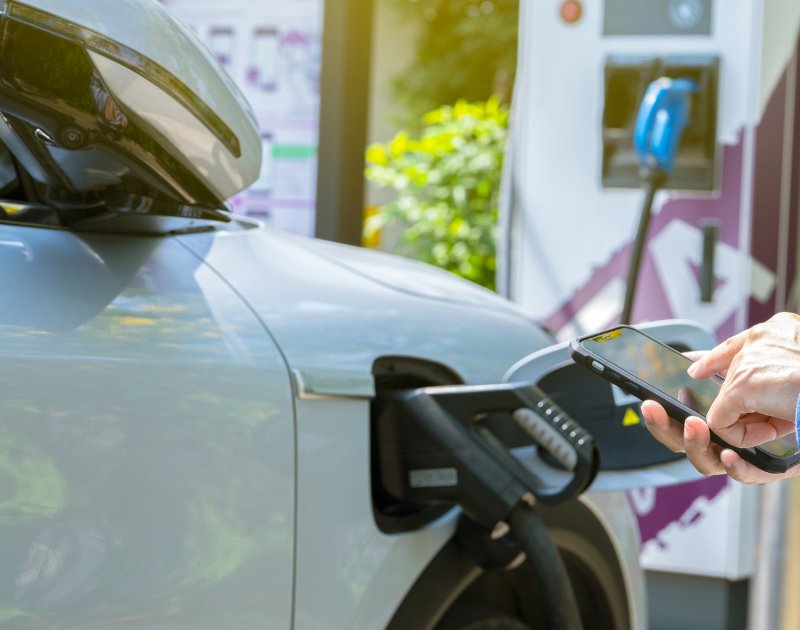
  • Reimbursement for charging
  • Driver behavior

Electric vehicles and TCO: a winning combination

How does TCO add value to EV fleets?

In an electric vehicle fleet, TCO allows you to:

  • Optimize charging power
  • Reduce energy peaks
  • Measure the actual cost per kilometer
  • Anticipating infrastructure needs

This allows for better budget control.

Use case: an EV fleet under TCM

Imagine a company with 100 vehicles:

Before TCM:

  • Tracking TCO only
  • No visibility on home charging
  • Oversized batteries

After TCM:

  • Adapting models to real-world usage
  • Lower energy costs
  • Reduction in underutilized vehicles

Impact: structural optimization of expenses.

How to implement TCM in your fleet?

Essential tools

To deploy a TCM strategy:

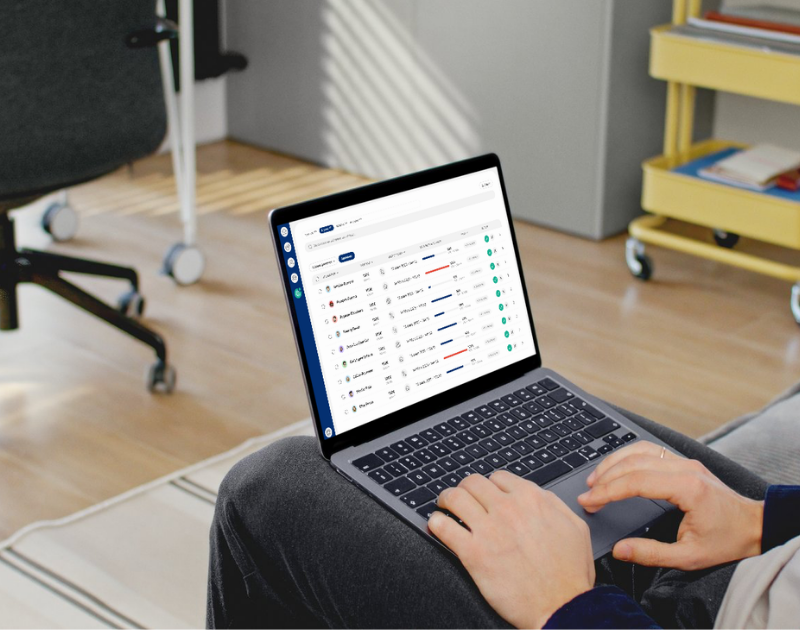
  • A mobility management platform like the one we offer at Oriway
  • Telematics data
  • Energy reporting
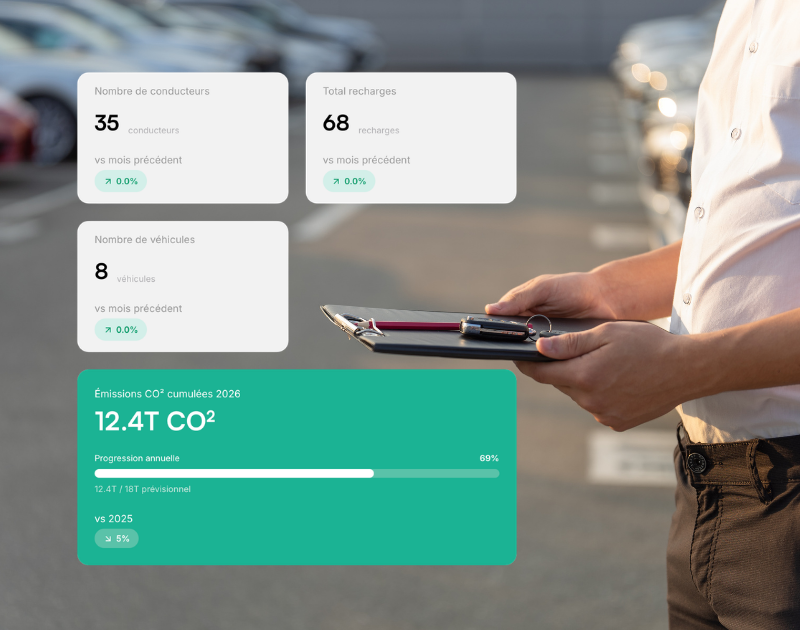
  • ESG dashboard

Specialized SaaS solutions allow you to centralize all your data.

(banner here to encourage contacting Oriway)

Best practices for fleet managers

  • Define clear mobility KPIs
  • Track the actual cost per kilometer
  • Integrate home charging
  • Train drivers in eco-driving
  • Adapt your car policy

DATA is becoming the heart of fleet management.

TCO vs. TCM: comparison table

TCO vs. TCM : tableau comparatif

Critère TCO TCM
Vision Véhicule Mobilité globale
Adapté aux VE Partiellement Oui
Mobilité multimodale Non Oui
Indicateurs ESG Limité Intégré
Pilotage stratégique Faible Élevé

TCM, the new key indicator for fleet managers

The TCO is not truly dead. But it has become insufficient.

In a context of massive electrification, regulatory pressure, and budget optimization, TCM is establishing itself as the new strategic benchmark.

For a fleet manager, adopting TCM means:

  • Shifting from a cost-based mindset to a performance-based one
  • Gaining real control over cost reduction
  • Effectively managing an electric vehicle fleet
  • Anticipating the challenges of tomorrow

Mobility is evolving. Your management should too.

Subscribe to the newsletter

Nous n'avons pas pu confirmer votre inscription.

Votre inscription est confirmée.
Camille Gautier
Decarbonized Mobility Project Manager

Our latest articles

See all
© 2026 Oriway - All rights reserved
Design & Integration by Jordane Lacroix